
The Psychology Behind Viral Content: Why Some Posts Explode?
Hi, I’m Shalvi Shah, a passionate Digital Marketing Freelancer in Gujarat, India. If you’re anything like me, you’ve probably wondered: why do some posts blow up on social media while others (even the ones you really put your heart into) just fade into the background?
In today’s digital age, where content is abundant and attention spans are fleeting, understanding the psychology behind viral content is crucial. Why do certain posts capture the collective imagination, spreading like wildfire across platforms, while others fade into obscurity? Let’s delve into the psychological triggers that propel content to virality.

Emotional Resonance: The Heartbeat of Virality
Emotions are the driving force behind content sharing. Research indicates that content evoking strong emotions—be it joy, anger, awe, or sadness—is more likely to be shared. Positive emotions, such as happiness and inspiration, often lead to increased sharing, as people wish to spread good feelings. Conversely, content that elicits anger or anxiety can also go viral, as it provokes strong reactions and discussions.
For instance, heartwarming stories of personal triumph or community solidarity tap into our innate empathy, compelling us to share and inspire others. On the other hand, controversial topics that incite outrage can trigger widespread debate, leading to increased visibility and sharing. The Business and Financial Times
Relatability: The Mirror Effect
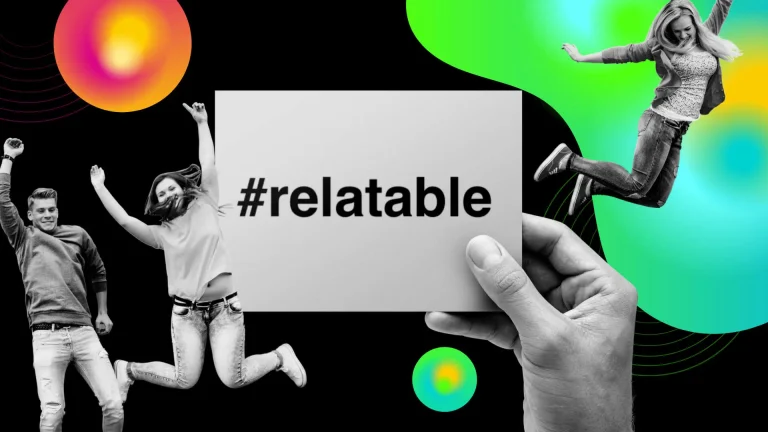
Content that reflects our own experiences or beliefs tends to resonate deeply. When people encounter posts that make them think, “That’s so me,” they’re more inclined to share them. This relatability fosters a sense of connection and validation, reinforcing one’s identity and social bonds. Click Catchers+1Vocal+1Vocal
Memes, for example, often gain traction because they encapsulate shared experiences in a humorous or poignant way. By sharing such content, individuals express their personalities and align themselves with like-minded communities
The Power of Storytelling
Humans are natural storytellers. Narratives engage our emotions and make information more memorable. Viral content often employs storytelling to captivate audiences, weaving relatable characters and compelling plots that evoke empathy and curiosity. Whether it’s a video documenting a personal journey or a written account of overcoming adversity, stories humanize content, making it more engaging and shareable. They allow audiences to see themselves in the narrative, fostering a deeper connection and prompting them to share the experience with others.
Social Proof and the Bandwagon Effect
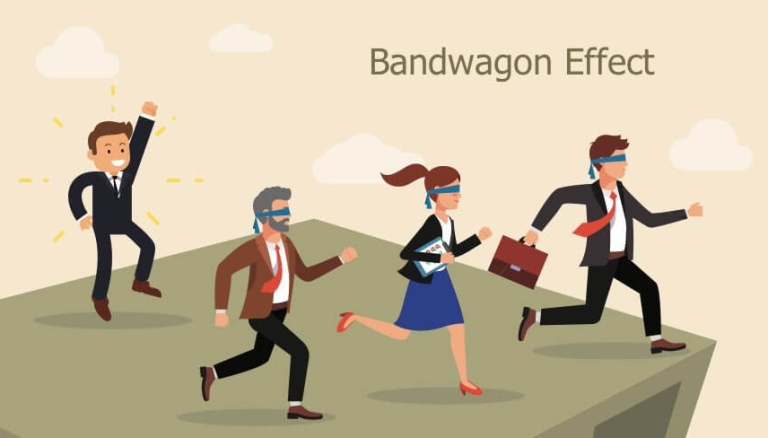
People tend to follow the crowd. When a piece of content garners significant attention—evident through likes, shares, or comments—it signals value and credibility. This phenomenon, known as social proof, encourages others to engage with and share the content, perpetuating its virality. The bandwagon effect further amplifies this behavior. As more individuals adopt a trend or share content, others feel compelled to join in, driven by a desire to be part of the collective experience and avoid missing.
FOMO: The Fear of Missing Out
The fear of missing out (FOMO) is a powerful motivator in the digital realm. When content is trending, individuals feel an urgency to engage with it to stay informed and connected. This urgency propels them to consume and share content rapidly, contributing to its viral spread. Platforms often exacerbate FOMO by highlighting trending topics or showcasing the popularity of certain posts, nudging users to participate in the ongoing conversation.
The Element of Surprise
Unexpected or novel content captures attention and piques curiosity. When a post defies expectations or presents information in a unique way, it stands out amidst the digital noise. This surprise element can trigger emotional responses and prompt sharing, as individuals are eager to share the novelty with their networks. Whether it’s an unforeseen plot twist in a video or an unconventional take on a common topic, surprising content disrupts patterns and engages audiences more effectively.
Timing and Relevance
Content that aligns with current events or cultural moments has a higher chance of going viral. Timely posts tap into existing conversations, making them more relatable and shareable. By contributing to trending topics, content creators can increase visibility and engagement.
For example, a witty meme about a recent event or a heartfelt message during a significant occasion can resonate widely, as it reflects the collective mood and experiences of the audience.
Practical Value: Sharing Knowledge
People are inclined to share content that offers practical benefits, such as tips, tutorials, or insightful information. By providing value, content becomes a resource that individuals want to disseminate within their networks, enhancing their social capital. Informative content not only educates but also positions the sharer as knowledgeable and helpful, reinforcing their identity and relationships within their communities.

Conclusion
The virality of content is not merely a product of chance; it’s deeply rooted in psychological principles. Emotions, relatability, storytelling, social proof, FOMO, surprise, timing, and practical value all play pivotal roles in determining what content captures widespread attention.
By understanding and leveraging these psychological triggers, content creators can craft messages that resonate deeply, encouraging audiences to engage and share. In the ever-evolving digital landscape, tapping into the human psyche remains the key to creating content that not only reaches but also moves the masses.